Why airports use design visioning to create a sense of place
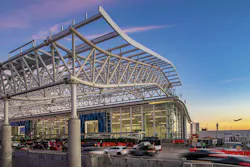
This blog post was authored by Wilson Rayfield, AIA, LEED AP, Executive Vice President, Aviation, Gresham Smith.
The excitement you feel when you smell the salty ocean air on the first day of your annual beach vacation. The comfort you feel when you get home and hear the laughter and joyful chaos of your family inside. The nostalgia you feel when seeing a tire swing at a park and fondly remembering the one you had in your backyard as a child. The relief you feel when you make the familiar turn into your neighborhood after a long day at work.
Every person has specific memories and connections to different places throughout their lives, largely impacted by the experiences within those places. This tug of memory and familiarity is known as a “sense of place.”
A sense of place refers to the significance applied to specific spatial locations, which is typically based on a combination of cultural context, practicality and design, and engaging activities. A strong sense of place usually results in a memorable, positive experience.
Designing Airports That Feel Like a Destination, Not a Detour
One such place we can see the importance of this concept is within airports.
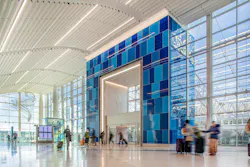
As these travel hubs are evolving into destinations themselves, rather than a lengthy means of getting from Point A to Point B, many are being designed to integrate a “sense of place” that represents the regions they serve.
Every element of an airport can be designed to reflect aspects of both the region and city, embodying the spirit of the location in ways that reinforce an obvious identity. To achieve this, Gresham Smith has developed a design visioning process that supports the evaluation of subjective decisions that are not easily made based on objective criteria, like the number of ticket counters or square footage of a terminal.
By having an overarching concept, an architectural experience that encompasses the physical, cultural and historical context of the region can promote strategic decisions that support the overall vision and create a cohesive design solution.
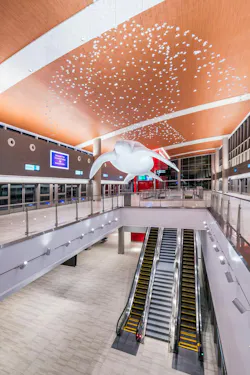
Intentional design has the ability to conjure emotion, generate excitement, and encourage passengers to take their time, while also serving as a gateway to the region. From a community point of view, a satisfying airport experience can be a significant factor in how visitors view that community—particularly because the airport is often the first and last impression for visitors. For travelers who aren’t visiting a destination, but are rather returning, a strong sense of place provides a comforting, familiar atmosphere that welcomes them home.
Setting clear intentions regarding space planning is not only smart, but it can also be a form of generosity, giving passengers a sense of confidence and ease as they navigate the space.
Design visioning can also help to create a rewarding workplace experience for airport employees. Airports can be fast-paced and challenging places to work, so creating an environment that is pleasant for employees, and not just the travelling passenger, is very important for recruitment and retention. There are costs associated with turnover, so ensuring a stress-free work environment can help to reduce these costs and improve employee satisfaction.
By reflecting and representing the local community, creating a great workplace experience for employees, and focusing on visual clarity and intuitive wayfinding, airports can create a positive experience for travelers. That memorable experience and carefully curated identity of a place can provide a competitive advantage and improve the odds that flyers will return for future travel—fondly remembering the sense of adventure and anticipation they felt the last time they took to the skies.
Check out the next post in the series, which explores how our design visioning process creates a sense of place in airports!
About the Author
Gresham Smith
The Gresham Smith blog is about starting discussions. We want to get people thinking about issues and trends that are impacting the design services industry and the market sectors Gresham Smith architects, engineers, interior designers, planners, consultants and environmental scientists serve. Great ideas are typically enhanced through conversation and often stifled by singular views and opinion. We hope you'll join in this conversation and help us to create a meaningful dialogue. Follow us on Facebook, Instagram, LinkedIn, Twitter, Vimeo, and YouTube.