CERSAIE 2026 Advances Ceramics & Sanitaryware for the Built Environment
Key Highlights
- Discover new applications in ceramic tile and sanitaryware across diverse building environments
- Explore emerging design trends, formats, and architectural surface solutions
- Learn how Italian manufacturers are advancing sustainable tile production
- Engage with architecture, design, and technical programming through expert-led sessions
- Connect with global manufacturers, designers, and construction professionals in Bologna
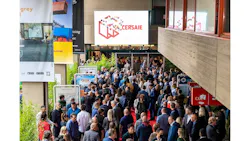

Each year, Bologna, Italy, becomes a global destination for the architecture, design, and construction community as CERSAIE – the International Exhibition of Ceramic Tile and Bathroom Furnishings – returns to the heart of Italy's ceramics industry. From September 21–25, 2026, the exhibition will bring together more than 600 manufacturers and 100,000 visitors from over 160 countries, creating a forum for architects, designers, contractors, developers, distributors, and building professionals to explore the next generation of ceramic tile and sanitaryware solutions, while connecting directly with leading manufacturers, industry experts, and peers from around the world.
Since its founding in 1983, CERSAIE has served as a launchpad for the innovations shaping the future of ceramic tile and bathroom furnishing design. Beyond showcasing the latest products and trends, the exhibition provides insight into how advances in manufacturing, technology, and sustainability are expanding the role of these materials across commercial, institutional, residential, and public spaces.
Beyond Traditional Surfaces
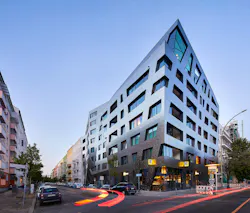
Once primarily associated with flooring and wall applications, ceramics have evolved into a versatile architectural material used across a growing range of building types and design applications. Engineered for demanding environments, porcelain’s non-porous, heat- and scratch-resistant properties, combined with its durability, hygiene, and low-maintenance performance, for example, make it well suited for high-use settings. This ranges from commercial buildings and healthcare facilities to hospitality spaces, workplaces, retail environments, and outdoor installations. Available in an expanding range of formats – from large-format slabs and thin panels to intricate mosaic and brick formats, porcelain is increasingly supporting new approaches to both interior and exterior design.
Advancements in design, fabrication and installation techniques continue to broaden its role in architecture, enabling an increase in new applications. In the bath, innovations in sanitaryware and bathroom furnishings, such as integrated washbasins, vanities, bathtubs, shower drainage systems, and other architectural elements, are further expanding the material’s role in the space. In the kitchen, porcelain countertops, cabinetry, and cooktops are continuing to gain strong momentum, while outdoors, porcelain is being increasingly used for ventilated façades, exterior pavers, pools and pool coping, along with seamless interior-to-exterior surface systems. These solutions allow designers and building professionals to integrate ceramic materials throughout a project while maintaining consistent performance and visual continuity.
With an expansive range of colors, textures, patterns, and finishes, CERSAIE will also highlight the evolving design directions shaping the industry. From warm, nature-inspired tones and sophisticated metallic finishes to soft desaturated palettes, expressive decorative patterns, and highly realistic wood-look textures, new product introductions will demonstrate how aesthetic versatility and technical performance can work together. In the bathroom, an expansive range of organic-inspired colors, textures and finishes across ceramic and sanitaryware options support the growing demand for immersive, spa-like environments. For projects where design intent, operational efficiency, and lifecycle considerations are equally important, ceramic and porcelain tile provide durable solutions that balance visual impact with long-term performance.
Supporting Sustainable Building Goals
As the industry continues to prioritize sustainable building practices, Italian manufacturers have long been leaders in advancing responsible production methods. Made from natural raw materials and free from PVC, phthalates, and harmful VOCs, ceramic tile offers healthier, highly-durable, high-performance options designed for long-term use. With a 50+ year lifespan and resistance to temperature fluctuations, this helps reduce replacement needs and extend material longevity, particularly for exterior finishes.
Italian manufacturers are also investing in more efficient production processes and resource conservation. Advancements include the reuse of up to 99.9% of production and purification waste, 96% of sites operating without process water discharge, approximately 60% reductions in energy consumption, and increased use of cogeneration and photovoltaic energy sources. Advanced filtration systems have also helped eliminate up to 99% of dust emissions during manufacturing. A growing, large number of products also carry third-party certifications and transparency documentation, including Environmental Product Declarations (EPDs) and Declare labels, supporting informed material selection and green building goals.
Educational Programming & Technical Demonstrations
In addition to its expansive exhibition space, CERSAIE offers a robust educational program focused on architecture, construction, and design innovation. Programs including Building, Dwelling, Thinking convene internationally recognized architects and designers for discussions on emerging ideas, projects, and best practices, including esteemed architect and Pritzker Prize winner Alejandro Aravena, who will present a keynote lecture on Thursday, September 26th.
The show’s Tiling Town program further supports the technical side of ceramic installation through live demonstrations, expert-led training sessions, and hands-on learning opportunities focused on advanced applications, including large-format surfaces and evolving installation techniques. Designed for architects, designers, installers, and construction professionals, the program highlights the critical role of craftsmanship and technical expertise in achieving successful, long-lasting ceramic applications.
Within this space, the CERSAIE World Tiling Lab will once again highlight the skill and craftsmanship behind successful ceramic applications, bringing together young tile layers from around the world to demonstrate their expertise through the creation of four ceramic-tiled environments. Organized by CERSAIE, Confindustria Ceramica, EUF (European Union of National Tile Associations), and participating national tile-fixing associations, the initiative underscores the importance of technical knowledge, collaboration, and installation excellence in realizing the full potential of today’s ceramic materials.
The week will also celebrate design excellence with the announcement of the winners of the 2026 Ceramics of Italy International Tile Competition. Recognizing outstanding projects from architecture and design firms worldwide, the program honors exceptional design, technical expertise, sustainable achievements, and innovative applications of Italian tile.
Beyond the exhibition halls, Bologna provides an inspiring setting for a week dedicated to design, craftsmanship, and collaboration. From its celebrated culinary scene to its UNESCO-listed porticos and historic streets, the city reflects the tradition and innovation that define Italy’s ceramics industry. Against this backdrop, CERSAIE offers professionals the opportunity to exchange ideas, connect with industry leaders, and discover the materials shaping the future of the built environment.
Visit CERSAIE for more information and to register for free admission.