





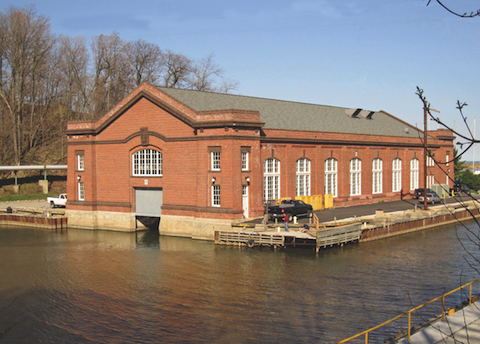
Designed by Chicago architect Jarvis Hunt and constructed in 1903, Building 13 is one of 39 structures within the Great Lakes Historic District at Naval Station Great Lakes, Ill. The original boathouse, considered a “contributing structure with major significance,” reflects the Beaux Arts vocabulary and classical forms that Hunt applied to his work (1902-1911) at the Naval Station campus.
After more than a century of use, however, the building envelope, brick, terra cotta, windows, and roof were in sore need of repair, even as the Navy was seeking to expand the function of the nearly 27,000-sf boathouse to support year-round marine activity of the Great Lakes harbor with the addition of shops, classrooms, offices, toilets, and showers. However, any renovation had to be done within the strict guidelines of the Secretary of the Interior Standards for Rehabilitation, the National Historic Preservation Act, and the Base Exterior Architecture Plan (BEAP).
The design-build team, led by Chicago firm Johnson Lasky Architects, took on the structural problems more or less from top to bottom. Visual and physical inspections, materials testing (including brick and mortar analyses), and soundings on each individual terra cotta unit were conducted.
The roof was replaced with shingles over three-inch polyiso ventilated nail base insulation panels. Forty-year asphalt shingles rated for 110 mph wind loads were used to meet the BEAP’s historic requirements. New copper gutters, flashings, and terminations were installed.
At the turn of the 20th century, terra cotta was used as a mass-produced alternative to carved stone, and Hunt made extensive use of it in Building 13. Damaged terra cotta was replaced with new matching material from California manufacturer Gladding McBean. Brick was salvaged from Navy supplies of matching historic brick. Mortar was replicated based on an analysis of existing original material. New exterior doors replicated the original wood panel design. The glass transom above the main entrance door was fitted with laminated glass.
Windows were completely restored off site; missing glass was replaced with glazing that matched the original in texture, thickness, and type (“wavy”) to meet state historical preservation standards.
With the building now providing year-round use, it was necessary to upgrade the mechanical system to forced air, with an air handler, ductwork, controls, and other equipment. The Building Team solved this problem by housing a new mechanical room between two existing mezzanines on opposite sides of the building within the warehouse.
In granting the project a Gold Award, the jury praised the Building Team’s attention to detail. “They had to tackle a lot of different components: brick, terra cotta, the windows, etc.,” said K. Nam Shiu, PE, SE, VP at Walker Restoration Consultants, Elgin, Ill. “This was a labor of love. It doesn’t look like any corners were cut,” said Tom Brooks, VP, Restoration Division, Berglund Construction, Chicago. “Instead of remove and throw away, they chose to remove and restore,” said George Tuhowski III, LEED AP, Director of Sustainability and General Superintendent, Leopardo Construction, Hoffman Estates, Ill.
Judge Darlene Ebel, Director, Facility Information Management, University of Illinois at Chicago, called it “a good restoration, with good sustainability. The building still fits in with the whole area.” BD+C
* Note: Walker Johnson, FAIA, recused himself from the proceedings during the judging of this entry.
PROJECT SUMMARY
Building Team
Submitting firm: Johnson Lasky Architects (architect)
Owner: Naval Station Great Lakes
Environmental design: EDI, Inc.
Structural engineer: AHG Structural Engineering
MEP/fire protection engineer: KJWW Engineering
GC: Boaz Friedler Joint Venture
General Information
Area: 26,900 gsf
Construction cost: $5 million
Construction time: May 2007 to August 2009
Delivery method: Design-build
Related Stories
K-12 Schools | Apr 30, 2024
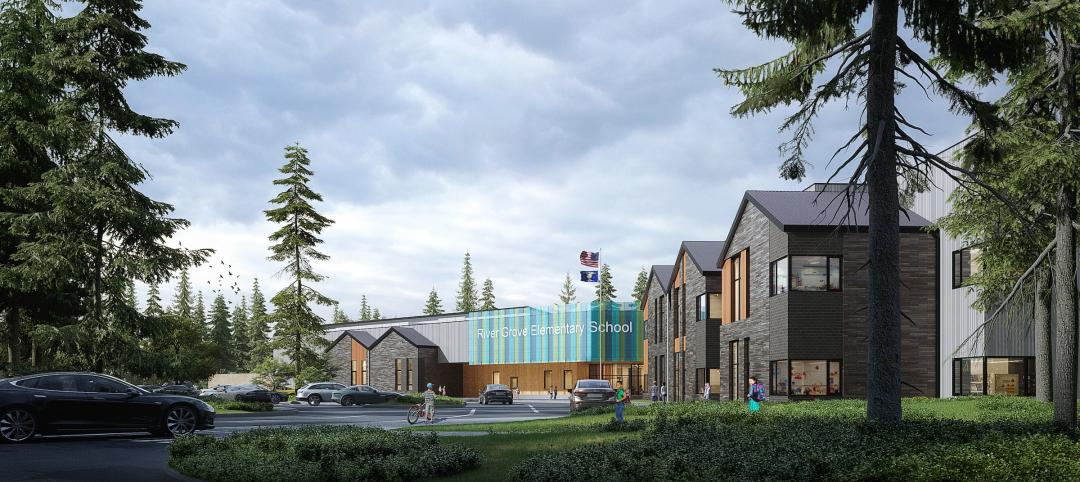
Fully electric Oregon elementary school aims for net-zero carbon and resiliency
The River Grove Elementary School in Oregon was designed for net-zero carbon and resiliency to seismic events, storms, and wildfire. The roughly 82,000-sf school in a Portland suburb will feature a microgrid—a small-scale power grid that operates independently from the area’s electric grid.

AEC Tech | Apr 30, 2024
Lack of organizational readiness is biggest hurdle to artificial intelligence adoption
Managers of companies in the industrial sector, including construction, have bought the hype of artificial intelligence (AI) as a transformative technology, but their organizations are not ready to realize its promise, according to research from IFS, a global cloud enterprise software company. An IFS survey of 1,700 senior decision-makers found that 84% of executives anticipate massive organizational benefits from AI.

Codes and Standards | Apr 30, 2024
Updated document details methods of testing fenestration for exterior walls
The Fenestration and Glazing Industry Alliance (FGIA) updated a document serving a recommended practice for determining test methodology for laboratory and field testing of exterior wall systems. The document pertains to products covered by an AAMA standard such as curtain walls, storefronts, window walls, and sloped glazing. AAMA 501-24, Methods of Test for Exterior Walls was last updated in 2015.

MFPRO+ News | Apr 29, 2024
World’s largest 3D printer could create entire neighborhoods
The University of Maine recently unveiled the world’s largest 3D printer said to be able to create entire neighborhoods. The machine is four times larger than a preceding model that was first tested in 2019. The older model was used to create a 600 sf single-family home made of recyclable wood fiber and bio-resin materials.
K-12 Schools | Apr 29, 2024
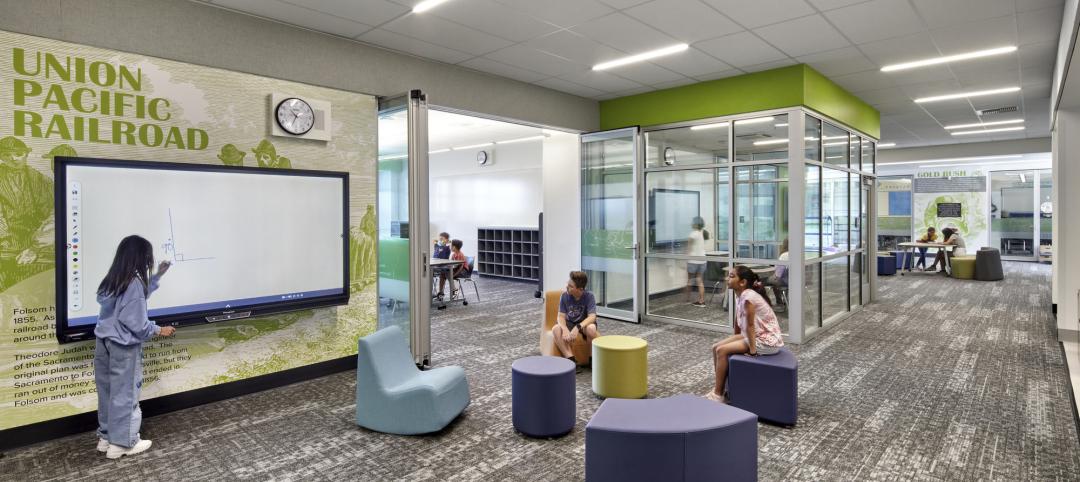
Tomorrow's classrooms: Designing schools for the digital age
In a world where technology’s rapid pace has reshaped how we live, work, and communicate, it should be no surprise that it’s also changing the PreK-12 education landscape.
Adaptive Reuse | Apr 29, 2024
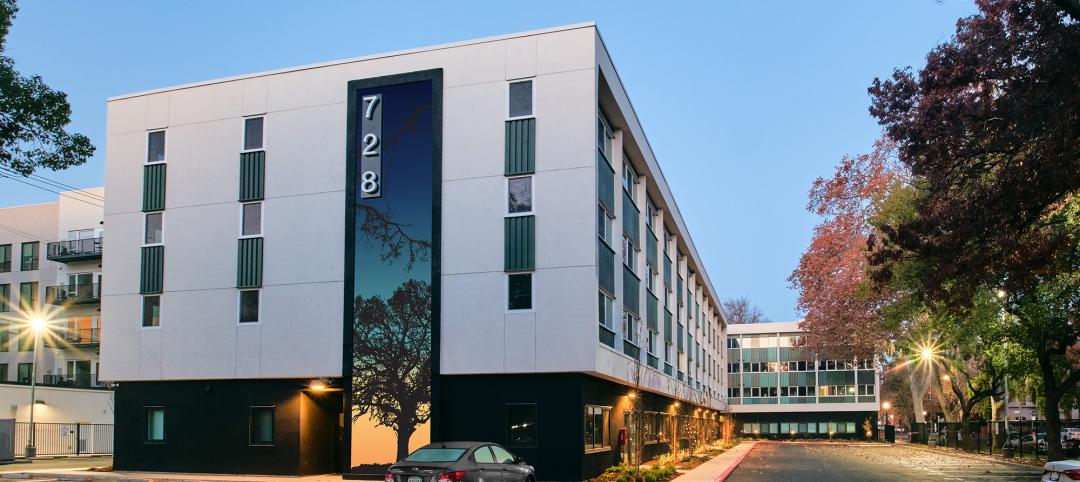
6 characteristics of a successful adaptive reuse conversion
In the continuous battle against housing shortages and the surplus of vacant buildings, developers are turning their attention to the viability of adaptive reuse for their properties.

AEC Innovators | Apr 26, 2024
National Institute of Building Sciences announces Building Innovation 2024 schedule
The National Institute of Building Sciences is hosting its annual Building Innovation conference, May 22-24 at the Capital Hilton in Washington, D.C. BI2024 brings together everyone who impacts the built environment: government agencies, contractors, the private sector, architects, scientists, and more.

Mass Timber | Apr 25, 2024
Bjarke Ingels Group designs a mass timber cube structure for the University of Kansas
Bjarke Ingels Group (BIG) and executive architect BNIM have unveiled their design for a new mass timber cube structure called the Makers’ KUbe for the University of Kansas School of Architecture & Design. A six-story, 50,000-sf building for learning and collaboration, the light-filled KUbe will house studio and teaching space, 3D-printing and robotic labs, and a ground-level cafe, all organized around a central core.
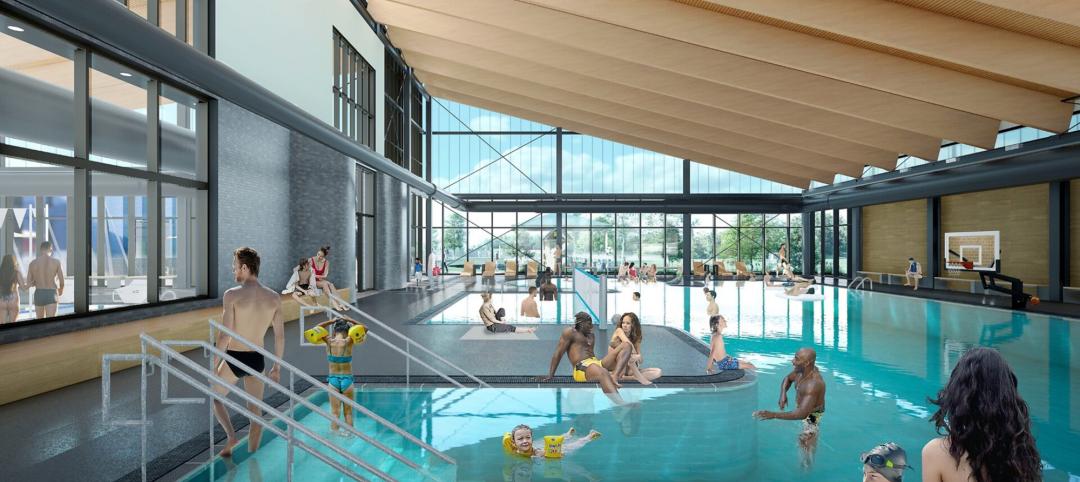
Sports and Recreational Facilities | Apr 25, 2024
How pools can positively affect communities
Clark Nexsen senior architects Jennifer Heintz and Dorothea Schulz discuss how pools can create jobs, break down barriers, and create opportunities within communities.

Senior Living Design | Apr 24, 2024
Nation's largest Passive House senior living facility completed in Portland, Ore.
Construction of Parkview, a high-rise expansion of a Continuing Care Retirement Community (CCRC) in Portland, Ore., completed recently. The senior living facility is touted as the largest Passive House structure on the West Coast, and the largest Passive House senior living building in the country.