

Anyone who keeps an eye on the construction materials market would be validated in feeling like Q3 was an extension of Q2. There is a “Groundhog Day” element to the current market, and the data backs up the vibes.
Gordian’s Historical Cost Index, a longitudinal measurement of the overall change in construction costs including materials, labor and installation, is up 1.5% quarter-over-quarter, after a 2% increase from Q1 to Q2. Fuel costs are still driving up material costs. The industry still feels tenuous.
In short, what you’re feeling is real. The costs in RSMeans™ Data show that, by and large, pricing pressure is continuing for most material markets. Let’s look at a few specifics.
Fuel and Energy Costs Impacting the Global Supply Chain
The biggest story in the construction economy reflects the biggest story in the broader U.S. economy: Fuel and energy costs are making everything more expensive. The effect of this price spike is evident and staggering, as the nearly 50% increase in fuel costs is being passed onto the costs of several materials. The most notable material affected is steel, as the process of making some steel products is energy-intensive.
Yet, steel isn’t the only material impacted by rising fuel costs. Costs for drywall, roofing shingles and black steel pipe, for example, may not have risen over the last quarter but for high energy costs.
The good news is that freight and lead times haven’t been impacted to this point. However, if U.S. oil reserves continue depleting at their current rate, they could be strained by the end of the year.
A Closer Look at Steel and Metal Costs
For the second straight quarter, steel prices rose significantly, up 5.59% since Q2 when they bumped up 7.5%. Nothing in the data indicates this trend will stop, so expect steel to be even more expensive in Q4.
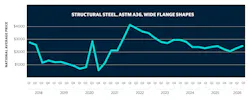
There’s a larger story to be told about the metals market and its influence on division costs. Increases in steel costs impact building structure/integrity systems, while rising costs for metals like copper and brass are impacting other divisions, notably plumbing.
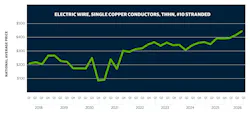
Copper is its own interesting case. Between increasing demand and multiple events at the world’s largest mines, copper costs increased for the third quarter in a row, up almost 7%, and are likely to continue following that trajectory. Additionally, the price of copper conduit hasn’t been this high since the first quarter of 2023, up to $140.19/CLF (hundred linear feet). This coincides with a rise in the cost of zinc used to galvanize the steel often used in EMT Conduit, the cost of which is up 15% since the start of April.
Third Quarter Surprises
A couple of construction materials are bucking the long-term trend. Electrical components such as panelboards and transformers experienced costs drops, despite the increases in copper and EMT conduit. Prices for fiberglass insulation unexpectedly stayed put, despite its typical summertime increases.
Expect More of the Safe
As we round the final turn of 2026, there are no indications that pricing pressure will continue on steel, metals, and other materials. The materials that have gotten more expensive so far this year will get more expensive, and if demand for lumber doesn’t slow down, it will likely join the list.
With costs on the rise, construction firms, contractors and project owners will be faced with some difficult decisions regarding materials, procurement, project timing and whether a project is financially feasible at all. Given the height of the stakes, reliable construction costs are of the utmost importance. Trustworthy data is foundational to sound decision-making and good business practices.