5 ways to create a cohesive campus or multi-site identity
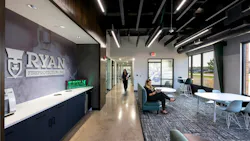
This blog post was authored by Kelli Warner, Business Development Coordinator, Workplace Market Leader, Design Collaborative.
Growing pains are real, especially when it comes to your physical spaces. As organizations expand into new neighborhoods, regions, or service areas, it’s easy for each location to become its own island with a different look, feel, and user experience.
Over time, that lack of cohesion can erode your brand, strain operations, and leave people wondering what your organization really stands for.
The good news? With the right design strategy, expanding your footprint doesn’t have to equal chaos. Whether you’re adding branches, building satellite campuses, or investing in new service sites, it’s possible to stay unified, recognizable, and purpose-driven—no matter how many pins are on the map.
5 Design Strategies to Create Consistency Across a Growing Footprint
Here are five ways to bring clarity, consistency, and intention to a growing footprint.
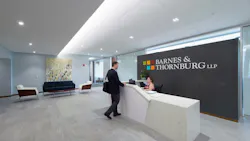
1. Treat Every Location as a Brand Touchpoint
Every location you operate is telling your story, whether you planned it or not. From the exterior architecture to the lobby vibe to the flow of people inside, each site shapes how people see and experience your organization.
Consistency is key. Thoughtful design elements like signage, materials, and layout patterns help reinforce who you are and what you stand for. Even small visual cues can make a big impact on how people feel walking through your doors.
2. Prioritize Flexibility for Long-Term Relevance
Designing only for today’s needs is like buying shoes your kid is about to outgrow. Spaces need room to flex. That could mean modular layouts, reconfigurable interiors, or infrastructure that supports future technology or programming upgrades.
When your locations are built to adapt, you avoid costly overhauls down the line and stay ahead of whatever’s coming next.
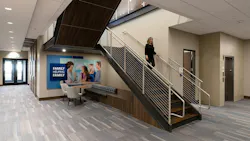
3. Standardize Where It Makes Sense
Standardization might not sound thrilling, but it’s a behind-the-scenes hero. Creating shared standards for lighting, HVAC, technology, and furniture means smoother maintenance, lower operating costs, and happier facilities teams.
It also helps staff and visitors feel at home no matter which location they’re in. Familiarity builds comfort, and comfort builds trust.
4. Allow Room for Local Expression
Uniformity isn’t the same as sameness. A strong design system should create consistency and flexibility. Local touches—whether that be community artwork, regional materials, or site-specific layouts—help each location feel like it belongs to the people who use it.
The goal? A cohesive family of spaces with unique personalities, not a bunch of clones.
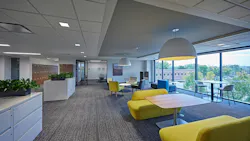
5. Align Design with Organizational Strategy
Every new space should move your organization forward, not just check a box. Design should connect to your broader goals: operational, cultural, and experiential.
Spaces that are guided by strategy aren’t just beautiful. They’re effective. And they make every new addition feel intentional, not incidental.
Designing with Purpose Across Locations
Multi-site growth isn’t just a facilities challenge. It’s a chance to shape how people experience your organization at every touchpoint. The goal isn’t to make every location identical, but to make sure they all speak the same language and reflect the same values.
By balancing consistency with flexibility, and short-term needs with long-term vision, you can build spaces that support your mission, strengthen your identity, and evolve alongside your organization. Whether you’re managing three locations or thirty, a strategic approach to design helps every space feel like part of something bigger.
Ready to bring more cohesion to your growing footprint? Whether you’re planning your next location or rethinking how your existing spaces work together, our team can help you align design with strategy. Let’s start a conversation about how thoughtful architecture can support your growth today and in the years ahead.
About the Author
Design Collaborative
Design Collaborative is an award-winning multi-disciplinary design firm founded in 1992, with the belief that through our work, we can improve people's worlds. With nationally recognized expertise and a passion for improving worlds, DC has grown to become consistently ranked amongst the top 100 firms in the country by staying focused on designing people-first places. At DC, we provide boutique firm experience with big firm expertise and resources. Our team includes architects, engineers, interior designers, cost estimators, graphic designers, and support staff. We are a one-stop solution, providing real-time collaboration and problem-solving. Follow Design Collaborative on Facebook, Instagram, and LinkedIn.