JLL report finds consumers are reclaiming physical retail as an escape from algorithmic overload
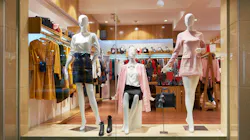
As consumers grow increasingly fatigued by curated feeds, AI-powered recommendations, and constant screen time, physical retail is taking on a new role: a place for tactile discovery, human connection, and sensory relief.
JLL Design’s new report, Resetting the Retail (Algo)Rhythm, examines how retailers can respond to shifting consumer expectations by rethinking stores as a counterbalance to digital life rather than an extension of it. The research reveals that 83% of shoppers enjoy finding products they never would have searched for themselves, while 72% have left a store early because it felt overwhelming, signaling a fundamental shift in what physical retail must deliver.
Digital fatigue transcends generations, though each demographic responds differently. Gen Z actively rejects algorithmic influence, with 53% preferring to browse physical stores without personalization tools.
Millennials demonstrate what the report calls “exhausted reliance,” with 78% saying they would shop more often if stores offered quieter spaces. Gen X shoppers apply pragmatic filtering to their retail experiences, while Baby Boomers remain most aligned with personalized online shopping.
The report identifies three critical solutions:
- Creating environments for serendipitous discovery.
- Designing spaces that provide sensory relief.
- Building content-driven culture through authentic atmosphere rather than engineered social media moments.
“Consumers are telling us that physical retail has a different job to do now,” said Emily Albright Miller, Executive Vice President of Retail Strategy with JLL Design. “The store is no longer competing with digital on endless convenience or personalization. Its value comes from what digital experiences cannot replicate, including tactile discovery, emotional connection, and the ability to experience a brand without constant algorithmic interruption.”
Overstimulation has emerged as a mainstream concern rather than a niche issue. The report found 72% of shoppers left a store earlier than planned because the environment felt overwhelming or overstimulating. Among neurodivergent consumers, that figure rises to 81 percent.
The report also found that lack of technology interference ranked as the No. 1 attribute of positive store experiences, indicating consumers want environments that allow them to focus on touching and feeling products. Retailers are responding with open layouts featuring clear sightlines, hands-on displays, and visual merchandising that invites exploration.
“For years, retailers focused on adding more screens, more content, and more digital integration into stores,” said Mark Bateman, Head of the Retail Solutions Group, Project and Development Services (PDS) at JLL. “There’s now a growing desire for environments that feel calmer, more intuitive, and less demanding on attention. The most effective retail spaces are increasingly designed around regulation, comfort, and human interaction rather than stimulation alone.”