What Gen Z renters expect from off-campus student housing
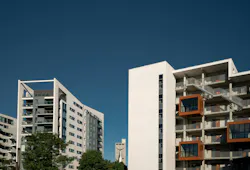
As Gen Z moves through their college years, their housing preferences are changing both rental listings and the ways that housing leaders marshal support for the common transition from on-campus to off-campus housing. I often refer to that journey as the student housing lifecycle: it’s an arc that begins with a first-year student settling into a residence hall and ends with an upperclassman renting an off-campus property.
Traditionally, institutions have invested a lot in the on-campus half of the lifecycle, even though nearly 80% of students live off campus at some point. More and more housing leaders are now focusing on the off-campus half as a path to improving retention, but in many places, it is still largely unguided. The hunt for your first apartment can feel like a quasi rite of passage with no rules, no witnesses, and no formal significance. Gen Z is changing that, and property managers would be wise to take note.
6 Trends in Off-Campus Student Housing
In my work managing an off-campus housing resource for students, I’ve enjoyed a front-row seat to the preferences driving Gen Z housing decisions. A few patterns stand out above the rest:
1. Low Travel Times
First, Gen Z renters are upholding the real estate maxim about what makes a property attractive: location, location, location. Proximity to campus is the single most important factor for any listing. How long does it take to walk to class? To the library? To the gym? Modern student-centered housing platforms can answer those questions precisely with tools that calculate walk and bike times from any listed property to any point on campus. This gives students the kind of targeted insight they expect, and a low travel time nearly guarantees a property will be snatched up consistently.
2. Scannable Listings
Listings need to be digestible at a glance. The days of dense rental descriptions are coming to an end, if they haven’t ended already. Gen Z gravitates toward listings that communicate the essentials in short, scannable phrases supplemented by rich media like virtual tours and high-quality photographs. If a student can’t understand a property’s key benefits in thirty seconds, they’ve probably already moved on.
3. Study Rooms
Conversations with industry professionals have led me to a surprising conclusion: study rooms matter more than lazy rivers. The PBSA world spent years competing on luxury amenities like rooftop pools, cinema rooms, and gaming lounges. But those features are frequently underused, and they inflate rents in ways that actively push Gen Z away. What students seem to want more is a reliable place to study. Designated study spaces consistently outrank flashy amenities in student preference data, and developers who recognized that early are seeing it reflected in their occupancy rates.
4. No Shared Bath
Individual bathrooms signal independence. This preference is part of a broader shift among Gen Z toward spaces that support autonomous living. Apartment-style housing with private bathrooms is increasingly preferred over traditional shared-bath models. Students want environments that give them freedom to define their routines.
5. Clear Pricing
Next, price transparency. I expect this to become one of the defining issues in student housing over the next several years. Gen Z wants to know exactly what they’re paying, not just for rent, but also utilities, fees, and every other cost baked into a lease. The ideal listing presents total monthly cost as a single, honest number. Housing providers and platforms that can offer that level of transparency will tend to win the trust and the business of this generation and the ones to come.
6. Trust and Safety
Whether a listing is trustworthy is another important factor, maybe more important than ever. Gen Z’s instinct for digital convenience can make them surprisingly vulnerable during housing searches on unvetted platforms, and AI tools allow scammers to easily produce convincing fakes. The consequences of a bad actor can be devastating for a first-time renter who has already committed funds. Rental scams targeting students are a continual problem, to the point that institutions often publish guides to help students avoid fraud.
This is an area where university-partnered housing platforms and verified property databases provide crucial protection. On College Pads, for instance, a landlord cannot post an anonymous listing. Every property owner must contact our team directly, speak with a real person, and verify both their identity and their property specifics before going live. That process eliminates the anonymity that scammers rely on and gives students confidence that the listings they’re viewing are legitimate.
In many ways, Gen Z is simply asking for what should have been there all along: practicality, transparency, safety, and support throughout the entire housing lifecycle. Industry data supports expanding this kind of institutional support. According to StarRez’s 2025 State of the Student Housing Industry Report, 72% of institutions believe that improving the off-campus transition would positively impact student wellness and success. Yet only 17% currently offer structured off-campus housing strategies or partnerships. That gap represents both a great need and a great opportunity.
The question for providers is simple: will you listen to what students are saying?