Public housing children who connect with higher income neighbors realize increased earnings as adults
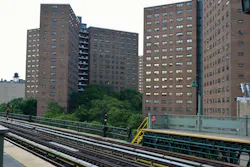
The $17 billion Hope VI program that revitalized 262 distressed federal housing projects around the country has produced long-lasting economic benefits, according to research from Harvard University’s Opportunity Insights, an economic mobility nonprofit.
The program funded modern mixed-income sites designed to blend seamlessly into the surrounding communities, providing opportunities for children of lower income families to interact with higher income residents.
The research shows that the redesign strategy substantially improved the lives of children as they grew older.
Increased interactions with higher income people who live nearby made it more likely for lower income children to go to college, earn more money, and be less likely to be incarcerated as adults, compared with cohorts who grew up in legacy public housing.
Breaking up areas of concentrated poverty and increased social interactions between children of different income levels appear to have broken the cycle of poverty for many.
For children, each year spent in renovated developments increased their adult household income by 2.8%. Those born and raised in revitalized public housing earned 50% more by age 30, compared to those who grew up in more isolated and poorer surroundings.