New design guidebook addresses school environments for teachers with disabilities
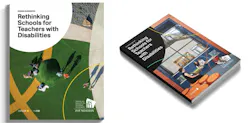
A new design guidebook offers strategies for architects, designers, administrators, and district leaders to address the needs of teachers with disabilities.
The document is based on a study by architecture firm Corgan that was funded by the American Society of Interior Designers (ASID) Foundation. Nearly one in eight educators identifies as having one or more disabilities, including learning differences, chronic illnesses, physical disabilities, or visual impairments.
These factors influence how educators move through and engage with school spaces. Many of these conditions are invisible and can manifest as extreme fatigue, sensory overload, mobility challenges, or cognitive strain.
Key principles in the guidebook include:
- Designing for Low Effort: Reducing physical strain through thoughtful material placement, circulation, and spatial planning can extend educator stamina over the course of the day.
- Adaptive, Flexible Environments: Reconfigurable zones, multipurpose furniture, and adjustable systems support evolving physical needs and teaching styles.
- Cognitive Clarity as Design Strategy: Clear spatial hierarchy, intuitive organization, and acoustical zoning reduce sensory overload and decision fatigue
Combining educator interviews, simulations, and observational research, the study explores how disabilities shape the teaching experience, examining how both new and existing school environments can better support educator’s well-being.