Portland Art Museum campus renovation and addition connects historic buildings
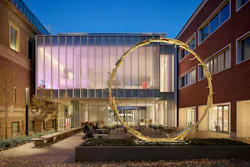
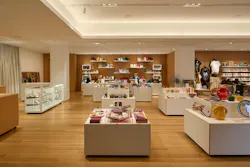
A recently opened renovation and expansion of the Portland Art Museum in Portland, Ore., has increased access to collections and exhibitions, creating a more streamlined and holistic visitor experience with updated amenities.
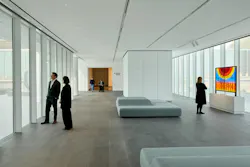
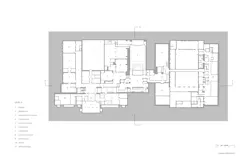
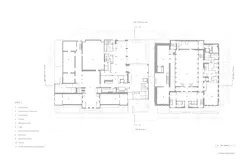
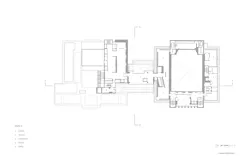
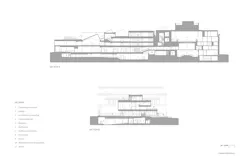
The project encompasses 100,000 sf of new or upgraded public and gallery space, and the addition of the new 24,000 sf Mark Rothko Pavilion, which connects PAM’s two historic buildings and establishes a dramatic new main entry to the museum.
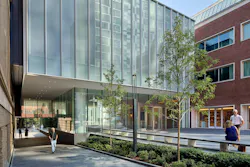
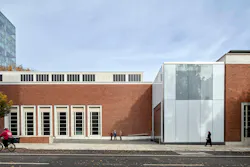
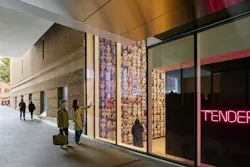
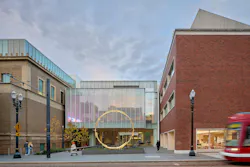
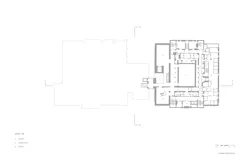
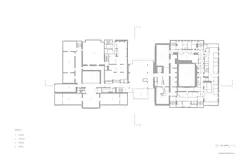
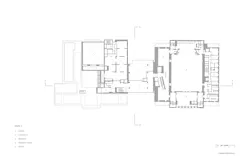
The centerpiece of the project, the Rothko Pavilion, welcomes visitors with universal access, transparency, and a strong connection to its urban neighborhood. Bridging the former right-of-way between Pietro Belluschi’s original museum complex (1932-72) and the Mark building, a former Masonic Temple (Fred Fritsch, 1927) now home to the museum’s contemporary art collection, the pavilion links previously discontinuous circulation and disparate floor elevations.
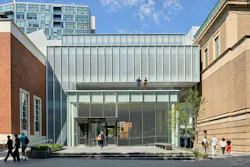
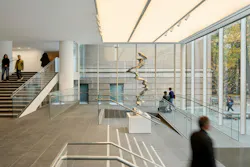
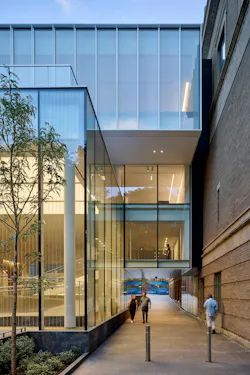
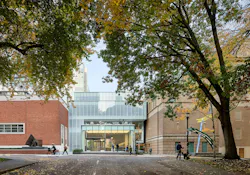
The crystalline, contemporary form of the Rothko Pavilion projects a Modernist character but respects its historic partners. The transparent entry creates a welcoming front door to the museum’s admission-free Community Commons, conceived as a gathering space for all.
Its upper facades, monumentally clad in white, ceramic-fritted glass, acknowledge Belluschi’s iconic travertine trim and the Mark Building’s vertical proportions, while reducing solar gain and meeting bird-safe standards.
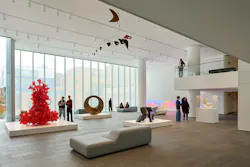
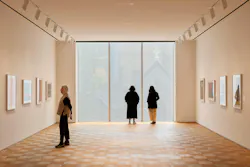
On the interior, the Pavilion has a limited palette: extensive glazing, art display walls with minimal detailing, white oak gallery floors and granite pavers in public spaces that extend out to the exterior plazas and building terraces.
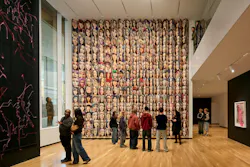
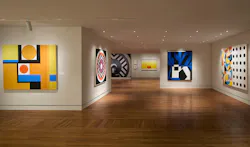
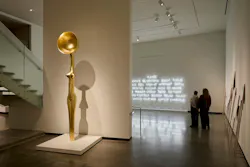
The museum’s galleries have been reimagined and expanded. The Belluschi galleries, with their traditional plans and detailing, have been refreshed and a new infill addition includes the museum’s new art receiving dock and a new second floor gallery with views overlooking the neighborhood.
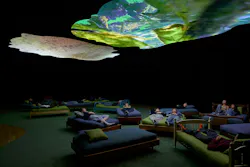
Across the complex, galleries in the Mark Building have been simplified and the museum’s former library was converted to the Crumpacker Center for New Art. The center is now the museum’s largest gallery at 2,700 sf, dedicated to emerging contemporary art.
The museum’s Library & Research Center has been relocated to the first floor of the Mark Building, allowing for greater ease of access, and the interior of the Whitsell Auditorium has been refreshed. Binding these together is the Rothko’s overarching circulation path, connecting all levels of the two-city-block-long museum into an understandable whole.
The updated campus balances the needs of its urban neighborhood and the city and reinforces the museum’s role as a cultural beacon of downtown Portland. The Rothko Pavilion provides an open-air street-level passageway through the building, maintaining a tradition of pedestrian and bicycle traffic passing through the site.
The passageway connects the east and west entry plazas, where key pieces from the museum’s sculpture collection are accessible to the public, offering passersby sheltered views into galleries. The pavilion’s second and fourth floor terraces offer visitors the opportunity to step outside and take in Portland’s skyline and iconic South Park Blocks.
Owner and/or developer: Portland Art Museum
Architects: Hennebery Eddy Architects and Vinci Hamp Architects
MEP engineer: Interface Engineering
Structural engineer: KPFF Consulting Engineers
General contractor/construction manager: Mortenson Construction