A former power plant and toxic site in Connecticut to become a 125-acre waterfront park
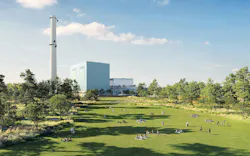
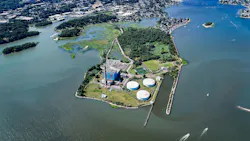
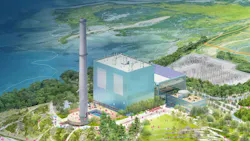
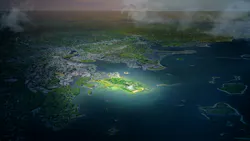
In Norwalk, Conn., a former power plant and a toxic, inaccessible site will be transformed into Manresa Wilds, a 125-acre waterfront park. Architecture firm Bjarke Ingels Group (BIG) and landscape architecture firm SCAPE recently unveiled their final design for the $410 million project.
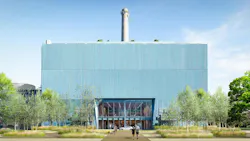
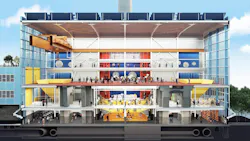
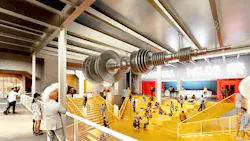
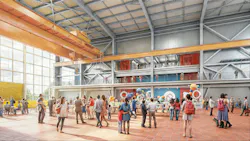
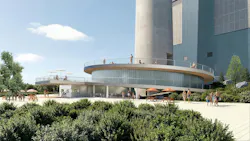
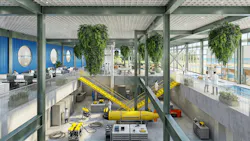
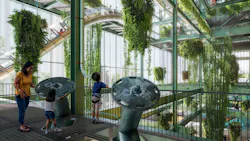
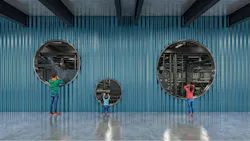
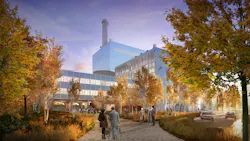
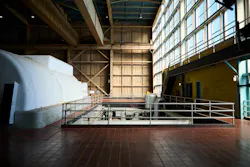
Built in 1960, the power plant will become a 200,000-sf, year-round community hub for flexible programming. The plant’s original machinery will be preserved and placed throughout the building and landscape.
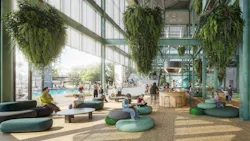
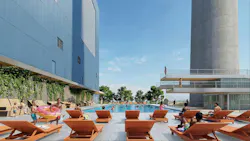
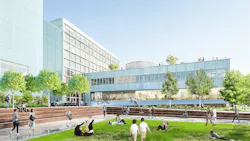
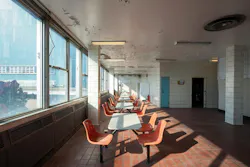
The plant’s 88,000-sf Turbine Hall will serve as a civic gathering space. The 20,000-sf Administrative Building will host a cafe and restaurant opening onto a terrace. The Smokestack will be wrapped by a two-story, 4,000-sf pavilion. And the 120,000-sf Boiler Building will be activated by educational partners at a later stage.
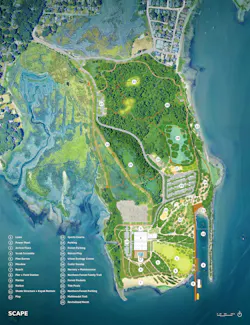
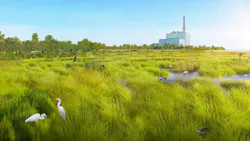
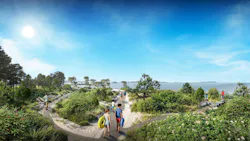
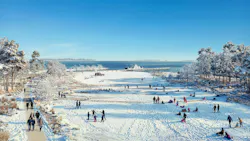
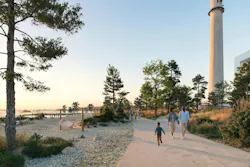
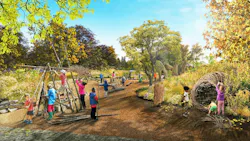
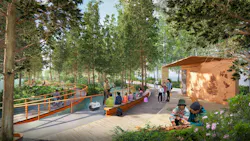
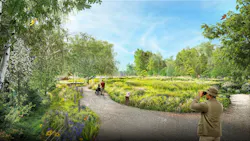
Manresa Wilds also will restore forests and coastal habitats, including 13 acres of native wetlands. Over 15 miles of trails will cross Manresa Wilds’ various revitalized habitats: birch forest, native meadow, salt marshes, wetland, and shoreline.
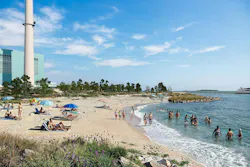
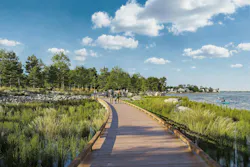
In addition, the project will unlock access to almost two miles of Connecticut coastline that have been closed off for almost 75 years. The project will provide a public beach, a harbor with kayak access and day-use boat slips, and a series of coves, overlooks, and tidal pools. At the center of Manresa Wilds, a 3.5-acre community lawn will connect the park’s interior to Long Island Sound.
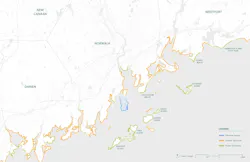
The climate-resilient design features preserved marshes and kayak terraces that absorb wave energy, a headland and beach buffer to shield the coast, and a wild jetty to protect the harbor and inland site.
Manresa Island Corp., the nonprofit formed to build and operate Manresa Wilds, plans to debut the project’s first phase, the Northern Forest, in spring 2027. The 28-acre landscape will feature renewed woodland, open grasslands, and more than a mile of trails connecting three forests for exploration, gatherings, and outdoor education.
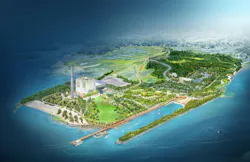
Since announcing the project in October 2024, Manresa Island Corp. gathered community input from over 3,000 individuals. As a result of community feedback, the design team made the following adjustments to its final plan:
- Expanded natural areas and habitat protection by 30%
- Reduced hardscape and active features throughout the site by half
- Placed the most active amenities on the site’s southern end
- Reduced the footprint of active programming
- Improved transit infrastructure with bus drop-off areas, pier activation, and parking
- Minimized lighting and reduced water features to protect wildlife and neighboring residents